AI Empowers UK Consumers to Manage Finances, Lloyds Study Reveals

Lloyds Banking Group finds 56% of UK adults use AI, including ChatGPT, for budgeting, investments, and financial planning, highlighting digital confidence as a key driver of financial empowerment and the importance of trust in AI tools.
Lloyds Banking Group’s latest Consumer Digital Index is the UK’s largest study of digital and financial capability, now in its 10th year.
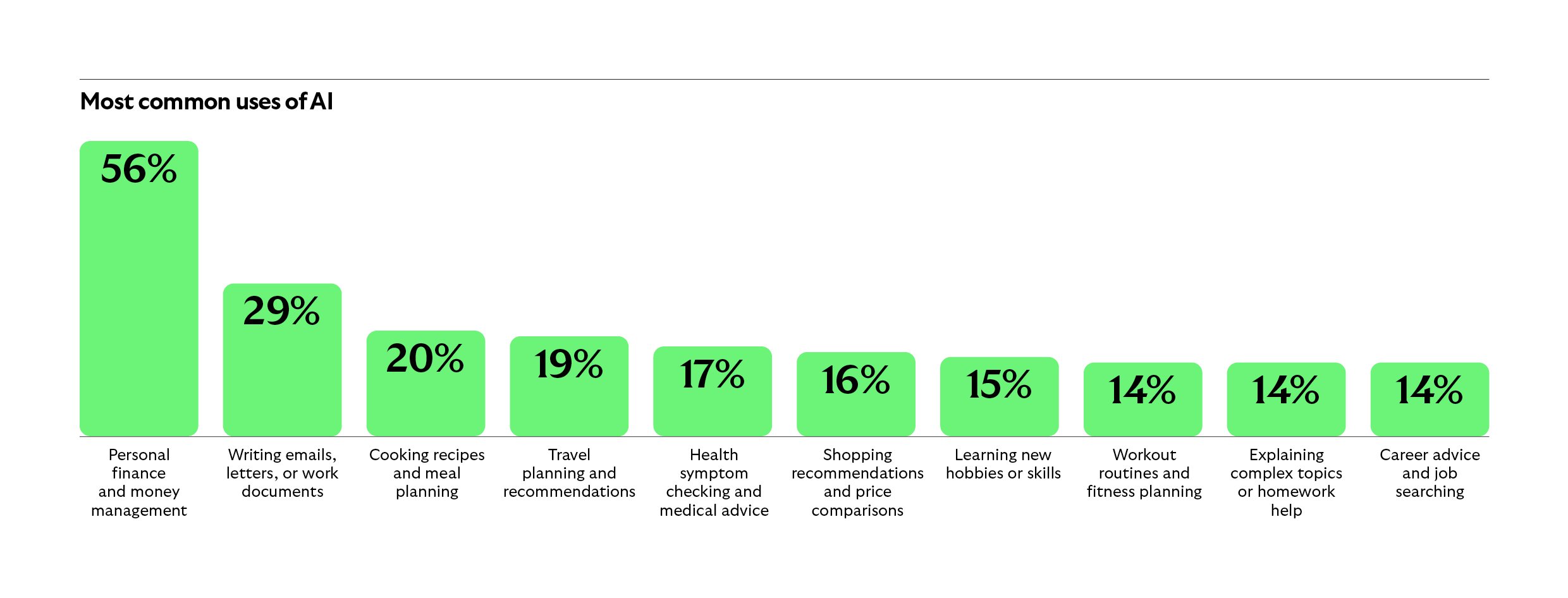
The research reveals that artificial intelligence has rapidly become a financial tool for millions across the UK, as 56% of adults – around 28.8 million people – say they’ve used AI in the past 12 months to help manage their money. Among them, ChatGPT is referenced as the most popular platform, used by six in 10.
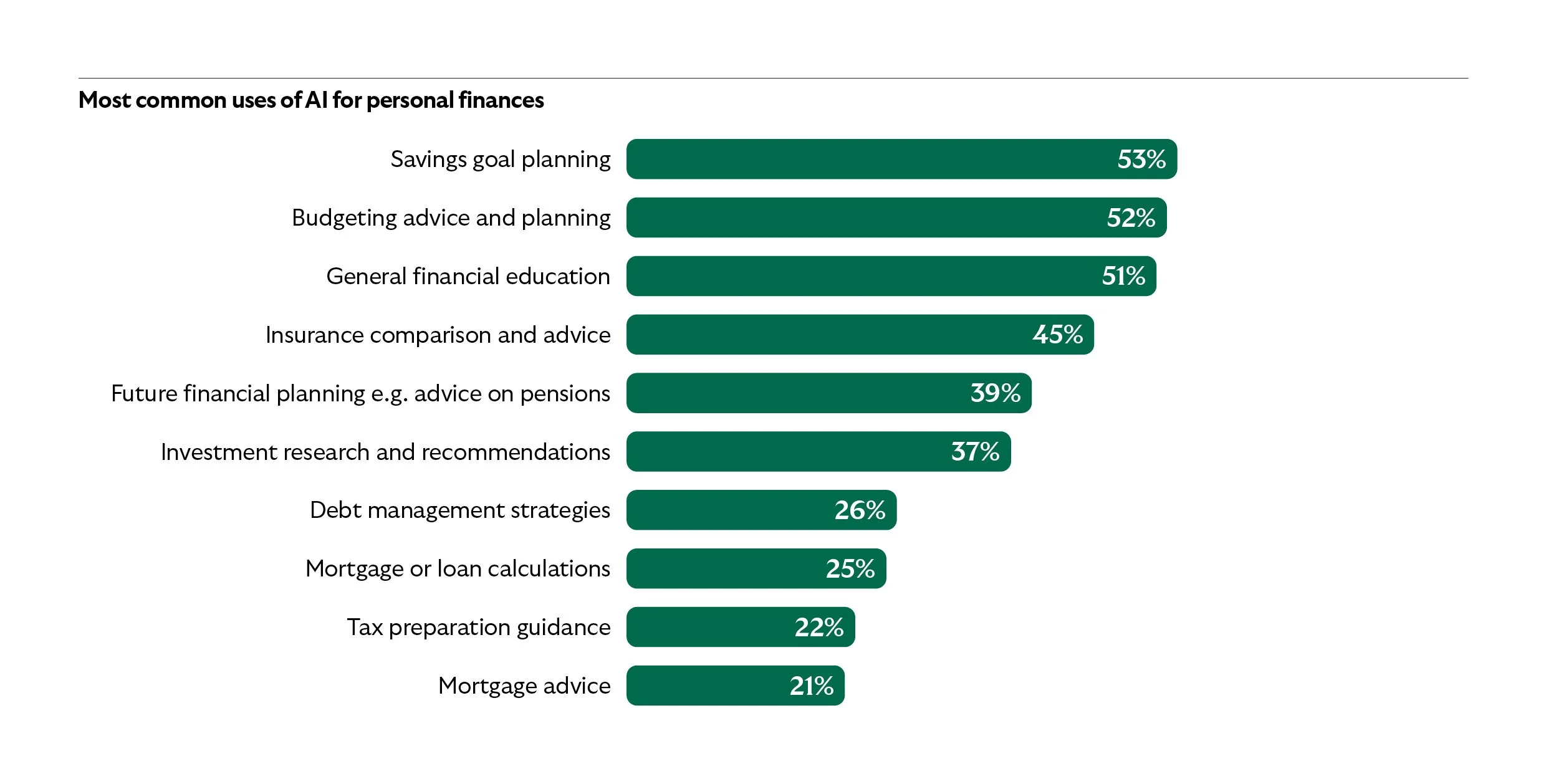
With more than half of people who use AI employing it for budgeting, savings planning, or general financial education, it’s now a go-to resource.
More than a third of users (37%) say they engage with AI for investment research and recommendations, a quarter (26%) for debt management strategies, while almost four in 10 (39%) have turned to it for future financial planning, such as information on pensions.
One in three people report using AI once a week or more to help with money matters – more than those using it for health advice, shopping recommendations, travel planning or recipe ideas.
The research highlights how can AI empower people to make smarter choices, save more, and build financial resilience for the future.
For example, users estimate they’ve saved an average of £399 per year thanks to AI-generated insights.
Digital confidence drives financial empowerment
Over the past decade, Lloyds Banking Group’s Consumer Digital Index has tracked the UK’s shift to digital-first living and the link between digital confidence and financial wellbeing.
Today, almost nine in 10 people (87%) say they now feel confident using the internet – a rise of more than four million people in just five years.
In the last 10 years, Lloyds has seen the number of customers using its mobile banking apps rise more than three-fold to over 21 million.
Digital activity isn’t just a habit - it’s a gateway to financial empowerment. People who use digital tools regularly are significantly more likely to feel engaged and confident in managing their finances. Two-thirds (66%) of internet users say being online makes them feel more confident managing money.
And 93% of those that say they feel confident using digital tools to manage their finances report feeling knowledgeable enough to make informed decisions about their finances, compared to 62% of those lacking confidence.
Among confident internet users, 98% say being online has saved them time or money. And for those not yet online, one in three believe better digital skills would help them take greater control of their finances, highlighting the power of digital inclusion.
Those with high digital capability are nearly two times less likely to lose sleep over money worries, or to feel stressed or overwhelmed when thinking about their finances, compared to those with lower digital capability.
Trust the next frontier for AI
Despite its growing popularity, trust in AI still lags behind usage.
83% of AI users say they worry about data privacy, while 80% are concerned about receiving inaccurate or outdated information. Nearly seven in 10 (69%) are worried about a lack or personalisation based on their personal circumstances.
This trust gap highlights a critical challenge: while millions are willing to experiment with AI-driven tools, most remain reluctant to rely on them without validation from more established sources and the regulatory oversight that financial matters demand.
With more than one in three adults expecting to increase their use of AI for money management in the next year, combining the cutting-edge technology with trusted expertise will be key to building confidence and unlocking its full potential.

Jas Singh, CEO Consumer Relationships at Lloyds Banking Group, comments:
“AI is rapidly transforming how people manage their money, with the potential for millions of consumers to feel more confident and in control of their personal finances. From everyday budgeting to planning for the future, we’re already seeing people use the technology to make smarter choices and build financial resilience.
“But as AI becomes a bigger part of our financial lives, trust is the next frontier. People want to be sure the information they receive is accurate, secure and truly tailored to their needs. That’s why banks have a vital role – not just in providing cutting-edge technology, but in combining it with trusted expertise and a deep understanding of our customers.
“As we continue to innovate, our focus is on building tools people can genuinely rely on – helping everyone to benefit from the confidence and clarity that digital solutions bring.”
CASE STUDY:
Nicola, a 34-year-old data analyst from Brighton, lives with her partner and their dog, Dixie. Between renovating their new home and regular gym sessions, she’s found a new digital companion – AI.
“Apps are a way of life for me. I use them all day, every day to manage everything from planning our renovation to managing my banking.
“I can find more competitively priced flights, plan holidays, access fitness plans and recipes. ChatGPT is now my first port of call. Friends and colleagues were talking about it, and I was a bit sceptical at first. I thought: ‘Is it safe? What data are they storing?’ But once I started using it, I realised – this is amazing. You can literally type anything into it.
“I wanted a reward credit card with a good exchange rate for travelling abroad. I asked AI and it suggested several options – cards that actually reward me for spending. It explained the benefits, how to apply, and even gave me a link. It was so quick. If I’d tried to do that research myself, it would’ve taken ages.
“It’s basically taking your question, pulling out all the relevant information, analysing it, and giving you the best possible answer. I do trust it – but if I’m unsure about something, I’ll always do a bit more research and check other sources.
“I’m really keen on tech that helps with budgeting and tracking spending. It’s useful to see: ‘these are your bills, this is what you spent on petrol, this is what you spent on clothes last month’. When you’ve got loads of transactions, it can be difficult to keep track, but these tools can make sense of it.
“I’ve also used AI when remortgaging to find out the best time to look for a new deal, and to understand some of the terminology. Finances can be a bit overwhelming, but I feel like it’s educating me.”
Where to get free help with digital skills
Those with higher digital and financial capability save £815 more each year on average.
The Lloyds Bank Academy is a free, UK-wide initiative designed to help individuals and businesses build essential digital and financial skills. It’s open to everyone and offers a wide range of learning opportunities through:

Online learning hub: On-demand lessons covering digital skills, financial literacy, career skills and business development.
Face-to-face training: Sessions held in local branches and community spaces.
Interactive webinars: Expert-led sessions for small businesses.
Digital Helpline: One-to-one phone support for those needing extra help, such as setting up a device and connecting to the internet.
For more information visit: https://www.lloydsbankacademy.co.uk/