Chargebacks911 Warns of Rising Romance Scams Ahead of Valentine’s Day
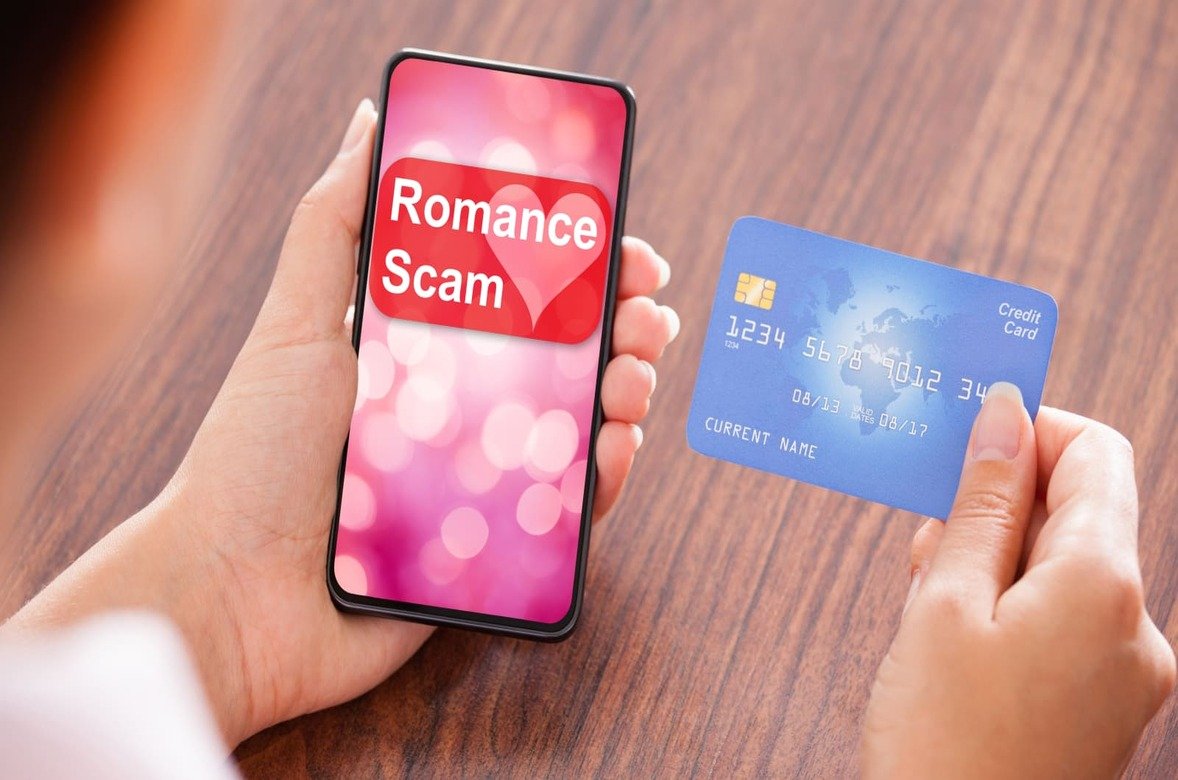
Chargebacks911 warns romance scams are rising ahead of Valentine’s Day, with UK losses exceeding £106M and reports up 35% in early 2025. Victims face low recovery rates, highlighting the need for vigilance across dating apps and social platforms.
Valentine’s Day may be about connection, but for scammers it is one of the most profitable moments of the year. As millions of people turn to dating apps and social platforms in search of love, Chargebacks911, a global leader in dispute resolution and chargeback prevention, is warning that romance scams continue to rise, with losses climbing and recovery rates remaining low.
Recent data shows the problem is getting worse, not better. In the UK alone, victims reported more than £106 million lost to romance fraud in the most recent reporting year, with an average loss of over £11,000 per victim, according to the City of London Police and the National Fraud Intelligence Bureau. Reports rose again in early 2025, with UK Finance recording £20.5 million lost in just the first half of the year, a 35 percent increase compared with the same period the year before.
The trend is not limited to the UK. Banking data released by Barclays shows romance scam reports increased 20 percent year on year in early 2025, with most cases starting on social media or dating platforms before moving to private messaging.
“Valentine’s Day creates the perfect conditions for scammers,” said Tracy Cray, Managing Director UK & Europe Operations Chargebacks911/Fi911. “People are open, hopeful and ready to trust. That is exactly what fraudsters look for. They build emotional connections first, then apply pressure when money enters the conversation. By the time victims realise what is happening, the funds are usually gone.”
Romance scams remain among the most financially damaging forms of fraud. While they make up a smaller share of overall scam reports, the losses per victim are significantly higher than most other fraud types. Regulators and law enforcement continue to warn that victims are often persuaded to send money through payment methods that offer little to no chance of recovery, including gift cards, peer-to-peer transfers, bank transfers and crypto.
“Many people assume their bank can reverse these transactions,” Cray added. “What they do not expect is how limited recovery options can be once money leaves the account willingly. That reality makes prevention far more effective than trying to fix the damage afterwards.”
As dating activity rises ahead of Valentine’s Day, Cray urges consumers to stay alert and take simple precautions:
Slow things down. Scammers rush emotional closeness and push conversations off platforms quickly.
Be cautious with money requests. Never send money, gift cards, crypto or banking details to someone you have not met in person.
Verify identities. Video calls matter. Refusal is often a warning sign.
Check the details. Reverse image searches and inconsistent stories often reveal fake profiles.
Listen to discomfort. If something feels wrong, it probably is.
Romance scams do not just cause financial harm but leave lasting emotional damage and erode trust at a time when people are looking for genuine connection. Chargebacks911 encourages anyone who suspects a romance scam to report it to Action Fraud, their bank, and the platform where the interaction began. Understanding how these scams work and slowing down before money enters the conversation can mean the difference between a real connection and a costly mistake.Valentine’s Day may be about connection, but for scammers it is one of the most profitable moments of the year. As millions of people turn to dating apps and social platforms in search of love, Chargebacks911, a global leader in dispute resolution and chargeback prevention, is warning that romance scams continue to rise, with losses climbing and recovery rates remaining low.
Recent data shows the problem is getting worse, not better. In the UK alone, victims reported more than £106 million lost to romance fraud in the most recent reporting year, with an average loss of over £11,000 per victim, according to the City of London Police and the National Fraud Intelligence Bureau. Reports rose again in early 2025, with UK Finance recording £20.5 million lost in just the first half of the year, a 35 percent increase compared with the same period the year before.
The trend is not limited to the UK. Banking data released by Barclays shows romance scam reports increased 20 percent year on year in early 2025, with most cases starting on social media or dating platforms before moving to private messaging.
“Valentine’s Day creates the perfect conditions for scammers,” said Tracy Cray, Managing Director UK & Europe Operations Chargebacks911/Fi911. “People are open, hopeful and ready to trust. That is exactly what fraudsters look for. They build emotional connections first, then apply pressure when money enters the conversation. By the time victims realise what is happening, the funds are usually gone.”
Romance scams remain among the most financially damaging forms of fraud. While they make up a smaller share of overall scam reports, the losses per victim are significantly higher than most other fraud types. Regulators and law enforcement continue to warn that victims are often persuaded to send money through payment methods that offer little to no chance of recovery, including gift cards, peer-to-peer transfers, bank transfers and crypto.
“Many people assume their bank can reverse these transactions,” Cray added. “What they do not expect is how limited recovery options can be once money leaves the account willingly. That reality makes prevention far more effective than trying to fix the damage afterwards.”
As dating activity rises ahead of Valentine’s Day, Cray urges consumers to stay alert and take simple precautions:
Slow things down. Scammers rush emotional closeness and push conversations off platforms quickly.
Be cautious with money requests. Never send money, gift cards, crypto or banking details to someone you have not met in person.
Verify identities. Video calls matter. Refusal is often a warning sign.
Check the details. Reverse image searches and inconsistent stories often reveal fake profiles.
Listen to discomfort. If something feels wrong, it probably is.
Romance scams do not just cause financial harm but leave lasting emotional damage and erode trust at a time when people are looking for genuine connection. Chargebacks911 encourages anyone who suspects a romance scam to report it to Action Fraud, their bank, and the platform where the interaction began. Understanding how these scams work and slowing down before money enters the conversation can mean the difference between a real connection and a costly mistake.