Inclusive FinTech Forum 2026 Opens in Kigali to Drive Financial Inclusion
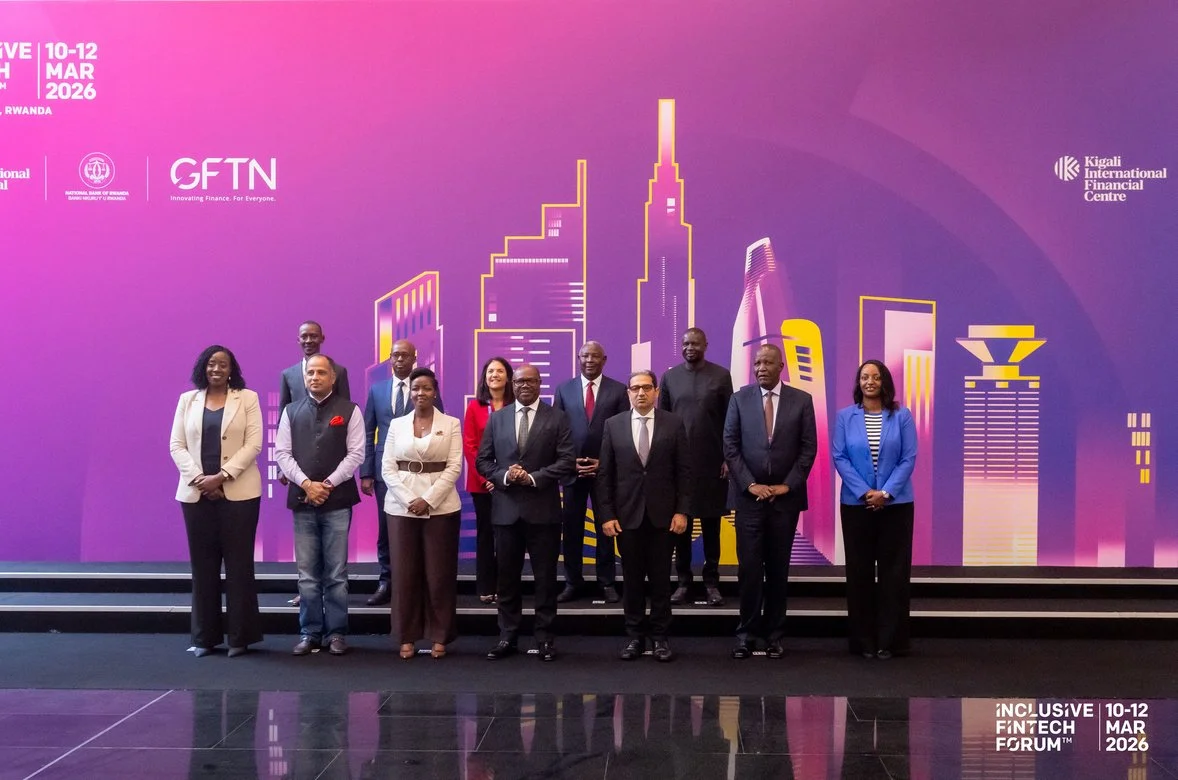
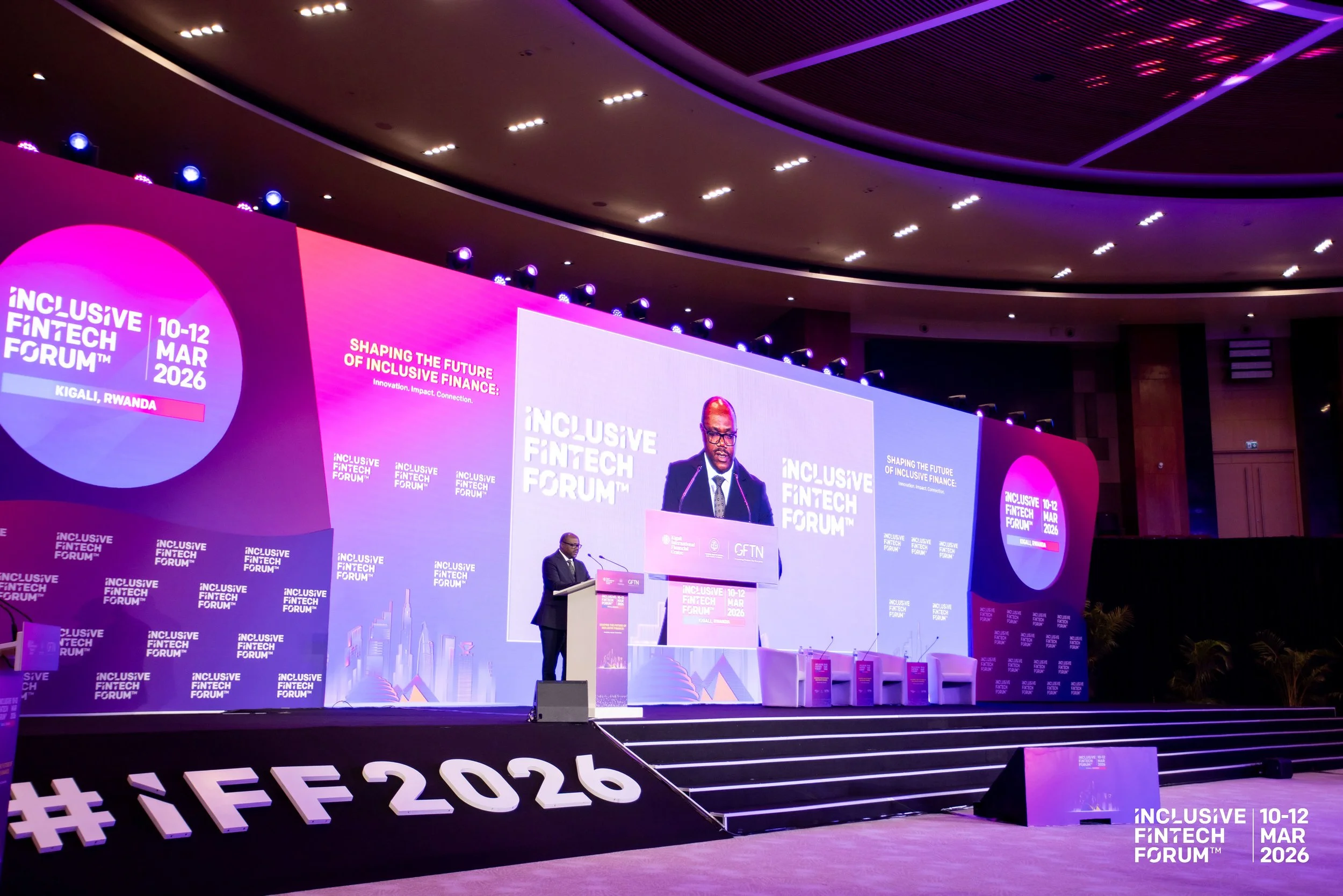
Inclusive FinTech Forum 2026 opens in Kigali, bringing global leaders together to advance financial inclusion across Africa, with focus on AI, digital currencies, open finance, and cross-border payment innovation.
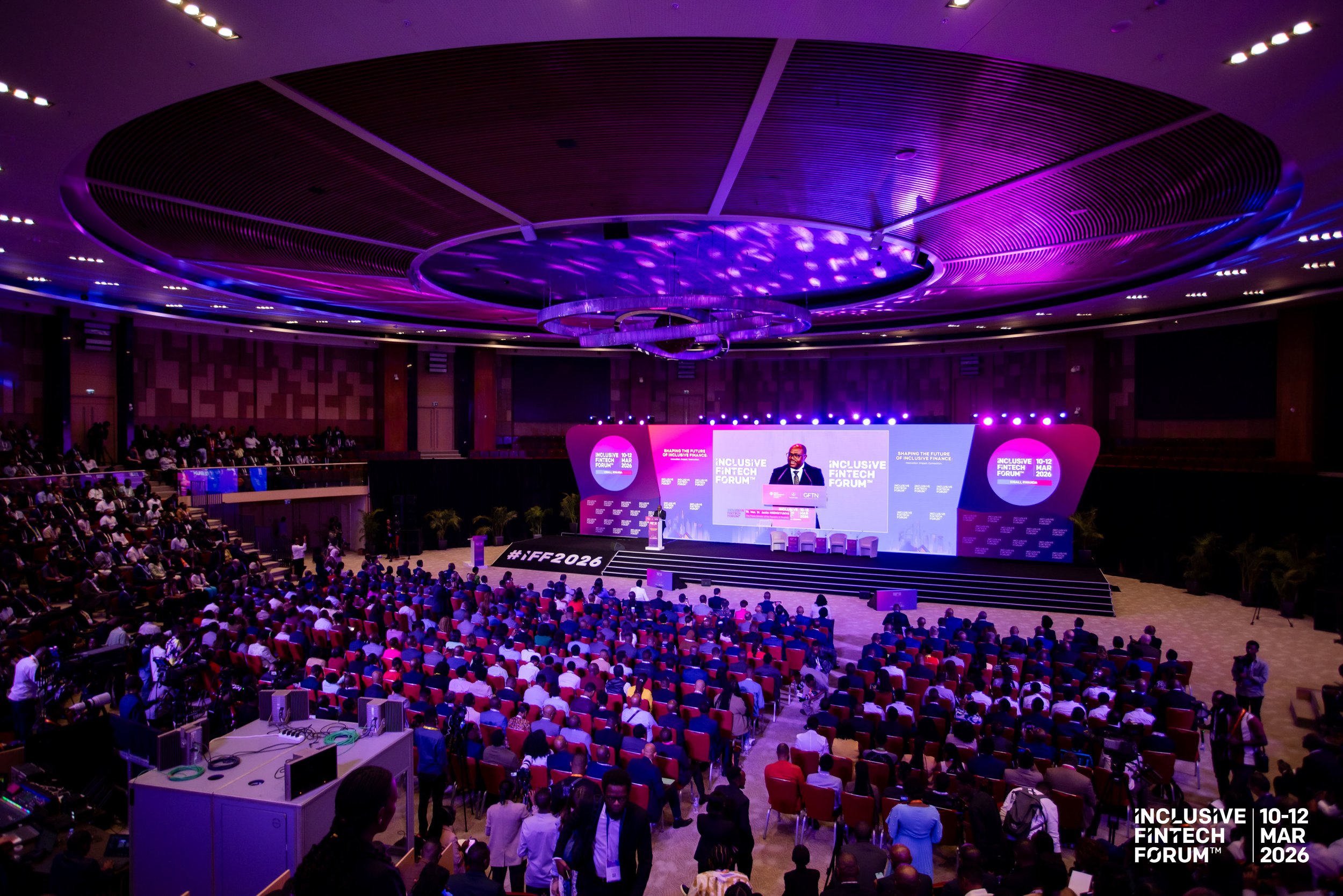
Global financial leaders, policymakers, investors, and innovators gathered today at the Kigali Convention Centre in Kigali, Rwanda, for the official opening of the Inclusive FinTech Forum (IFF) 2026, a leading global platform dedicated to advancing inclusive, resilient, and innovative financial systems across Africa and other emerging markets.
The third edition of the forum brings together more than 3,500 decision-makers from 84 countries, including representatives from 217 government institutions and multilateral organisations, 30 central banks, 413 fintech companies, and 97 investment firms. Discussions are taking place across eight thematic platforms, with over 260 speakers and 36% female representation, highlighting the growing diversity of leadership shaping the global fintech ecosystem.
Hosted by the Kigali International Financial Centre (KIFC), the National Bank of Rwanda (BNR), and the Global Finance & Technology Network (GFTN), the forum has become a global meeting point where regulators, innovators, financial institutions, and development partners collaborate to accelerate financial inclusion and digital transformation.
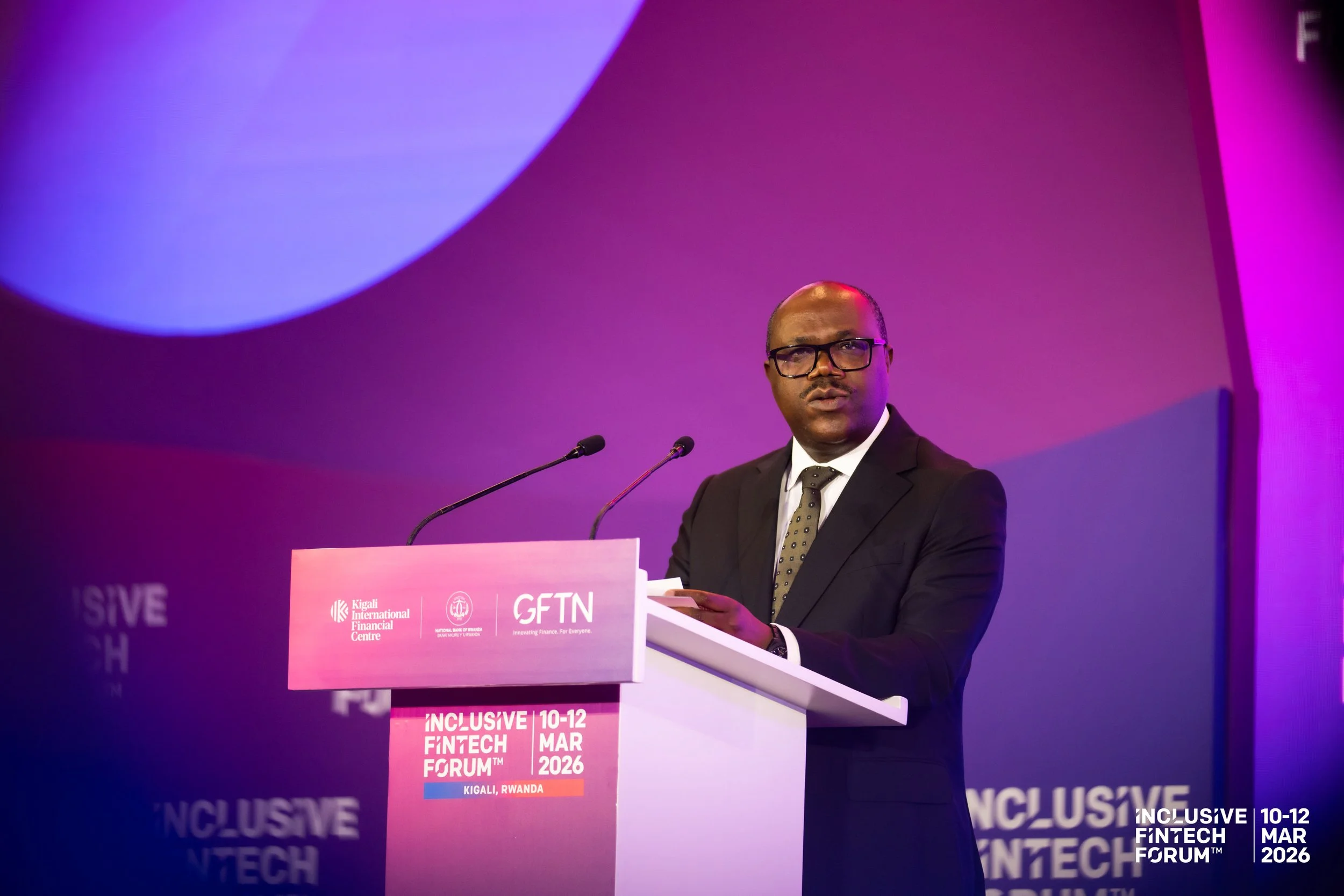
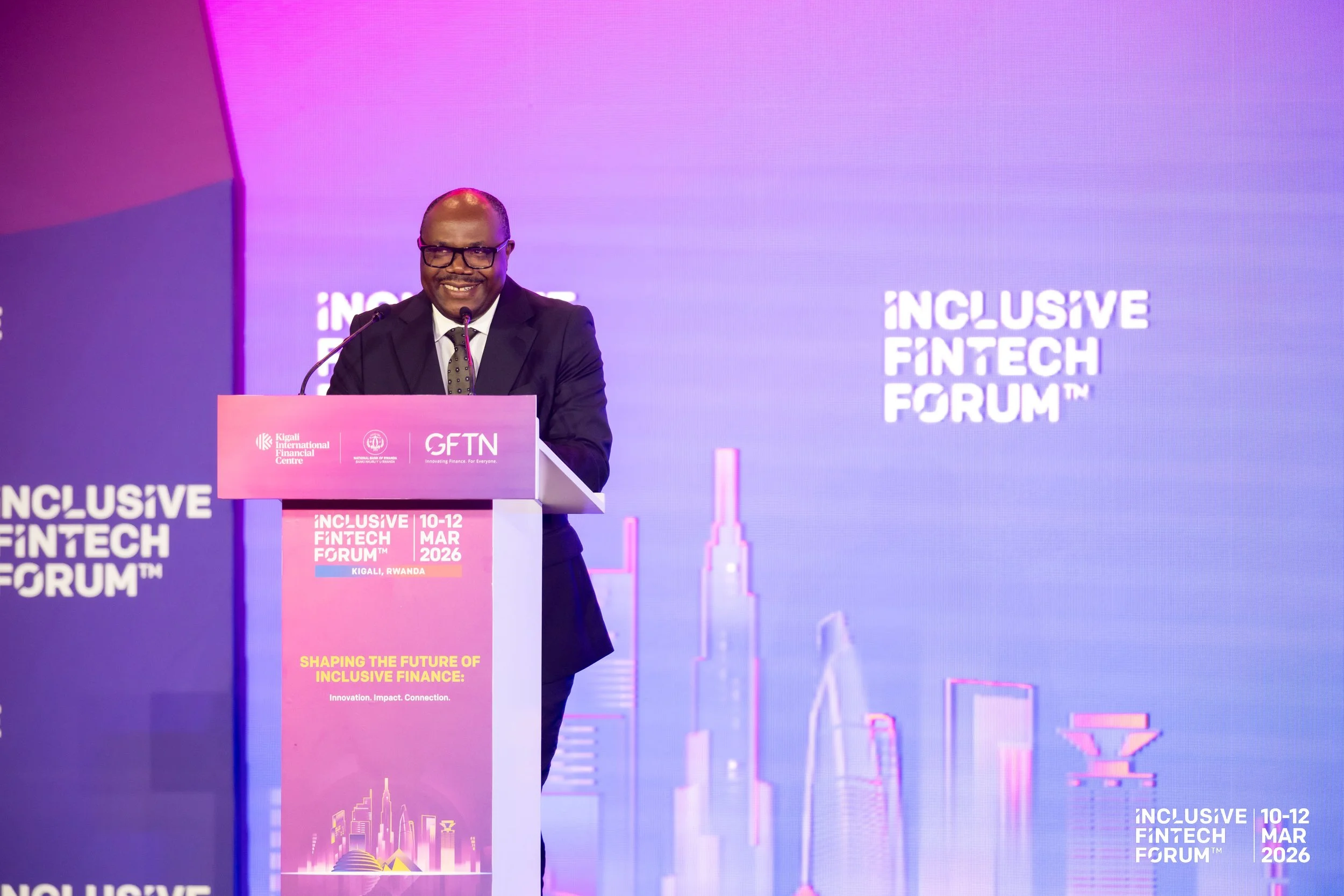
The event opened with a keynote address by Justin Nsengiyumva, Prime Minister of Rwanda, who emphasised that Africa stands at a pivotal moment in the global economic transition.
He highlighted that the continent has a unique opportunity to become a cradle of global business and innovation, driven by technology and strengthened by inclusive financial systems capable of mobilising capital for Africa’s development priorities.
“This Forum comes at a defining moment for Africa and indeed the world. The financial and economic order many of us have known in our lifetimes is undergoing profound, undeniable change. For Africa, which has long stood at the margins of this system while relying on it for development financing and access to global markets, this moment presents both uncertainty and opportunity,” said the Prime Minister.
He further emphasised that the foundation of Africa’s economic transformation will depend on robust and inclusive financial systems capable of mobilising capital towards the continent’s most pressing priorities, including energy development, digital infrastructure, manufacturing growth, and investments in human capital.
Held under the theme “Shaping the Future of Inclusive Finance: Innovation. Impact. Connection.”, IFF 2026 focuses on four strategic priorities shaping the next generation of financial systems: Africa’s digital currency corridors, AI-powered financial inclusion, open finance ecosystems, and climate fintech solutions.
In her opening remarks, Hortense Mudenge, Chief Executive Officer of the Kigali International Financial Centre, noted that Africa’s fintech ecosystem is entering a new phase of rapid growth and innovation.
She highlighted how digital financial technologies are transforming economic participation across the continent.
“Africa stands at a defining moment. Across the continent, fintech innovation is reshaping how people save, invest, transact, and build businesses. Mobile payments have transformed access to finance, digital platforms are expanding opportunities for entrepreneurs, and emerging technologies are redefining financial services,” she said.
Mudenge further emphasised the strategic priorities guiding this year’s forum.
“This year’s forum focuses on four key priorities shaping the future of finance: building Africa’s digital currency corridor, advancing AI-powered financial inclusion, strengthening open finance ecosystems, and mobilizing innovation through Climate FinTech solutions. Together, these priorities reflect a simple but powerful idea: financial innovation must translate into real economic opportunity for people, businesses, and nations. The Inclusive FinTech Forum reflects the power of partnership. It is built through collaboration between KIFC, the National Bank of Rwanda, and the Global Finance & Technology Network, alongside a growing ecosystem of partners committed to advancing inclusive finance,” she said.
The forum comes at a time when Rwanda is strengthening its global financial profile. Kigali now ranks third in Africa and 67th globally in the Global Financial Centres Index (2025), reflecting the country’s progressive regulatory environment and its commitment to financial innovation through initiatives such as regulatory sandboxes and proof-of-concept–driven fintech development.
Soraya Munyana Hakuziyaremye, Governor of the National Bank of Rwanda, emphasised the importance of regulatory collaboration across African markets to unlock the full potential of digital finance.
“If we are to fully harness virtual assets, strengthen interoperable cross-border payment infrastructures and leverage AI to offer tailored, affordable, secure and fast financial services, stronger regulatory alignment across African markets will be essential,” she said.
A major highlight of the opening day was the announcement of two strategic partnerships by MoMo Rwanda Limited, aimed at expanding digital lending and accelerating financial inclusion.
The first partnership between MoMo and Ecobank focuses on improving credit access for underserved communities by combining MoMo’s extensive mobile distribution network with Ecobank’s lending expertise. The collaboration introduces instant, mobile-first micro and SME loans delivered directly through the MoMo platform, eliminating traditional collateral barriers and enabling faster access to credit.
The second partnership between MoMo and Bank of Kigali strengthens Rwanda’s domestic credit infrastructure by creating a fully digital lending pathway, from application to disbursement and repayment, entirely on mobile platforms. Together, the collaborations support Rwanda’s ambition of building a cash-lite economy while expanding financial services to underserved populations.
Now in its third edition, the Inclusive FinTech Forum has already delivered tangible outcomes that are shaping Africa’s digital finance landscape. Previous editions catalysed the Africa Next-Generation Digital Payment Infrastructure Project, led by the National Bank of Rwanda and the Bank of Ghana, resulting in a live pilot for fintech licence passporting between Rwanda and Ghana. The initiative allows fintech companies to operate seamlessly across both markets, with plans to expand to additional countries across the continent.
IFF has also played a key role in mobilising capital for fintech innovation, including the launch of the five-year LuxAid Fintech Fund, championed by the Luxembourg Development Agency (LuxDev). Discussions are currently underway to bring additional strategic partners on board, including the Mastercard Foundation, further strengthening investment opportunities for African fintech innovators.
Sopnendu Mohanty, Chief Executive Officer of the Global Finance & Technology Network, highlighted the importance of global collaboration in advancing inclusive finance.
“The Inclusive FinTech Forum is where global expertise and emerging market innovation converge. By connecting regulators, innovators, investors, and development partners, we are building a collaborative ecosystem that accelerates financial inclusion and drives sustainable economic growth,” he said.
With several major announcements, partnerships, and policy discussions expected throughout the week, IFF 2026 continues to strengthen Kigali’s position as a leading hub for financial innovation and policy dialogue in Africa, while advancing new initiatives aimed at expanding financial access, strengthening digital payment infrastructure, and supporting innovation-led economic growth across emerging markets.